
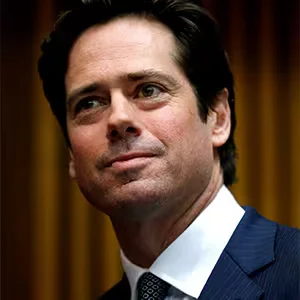
I am Gillon McLachlan, and my professional journey has been shaped by the intersection of sport, business, and—inevitably—gambling. Born in 1973 in South Australia, I grew up far from the corporate world, on a family farm in Mount Pleasant. That upbringing grounded me in discipline and competition, long before I entered the world of professional sport administration.
Education and Early Professional Years (1990s)
I pursued a Bachelor of Commerce at the University of Adelaide (1995) and later completed a Bachelor of Laws (Honours) at the University of Melbourne (1996). These dual disciplines—finance and law—became essential tools in navigating complex commercial environments, including regulated industries like wagering.
My early career began at Accenture, where I worked as a management consultant. This period sharpened my strategic thinking and introduced me to large-scale commercial systems. It was here that I first encountered industries where risk, probability, and consumer behavior—core elements of gambling economics—play a critical role.
Entry into the AFL and Commercial Strategy (2000–2008)
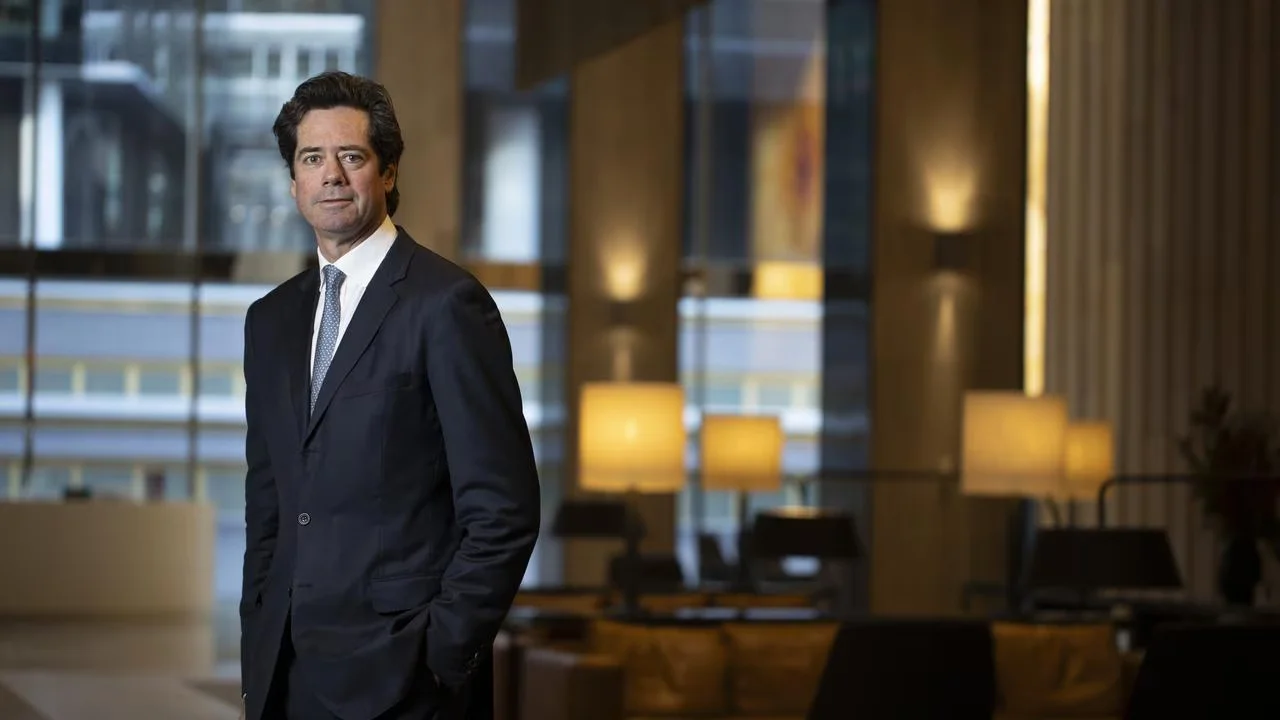
In 2000, I began working with the Australian Football League as a strategy consultant. This marked the beginning of my long association with professional sport.
By 2003, I became General Manager of Commercial Operations, and in 2008 I was appointed Chief Operating Officer.
During these years, I focused on revenue generation, media rights, and sponsorship structures. It was impossible to ignore a growing trend: the increasing integration of betting markets into sports entertainment.
At the time, gambling companies were becoming major commercial partners in global sports. My role required me to understand:
- how betting influenced fan engagement
- how odds and wagering markets shaped viewership
- how sponsorships from bookmakers could transform league revenues
These were not abstract ideas—they were measurable economic drivers.
Transition to Executive Leadership (2012–2014)
In 2012, I became Deputy CEO of the AFL, and by April 2014, I was appointed Chief Executive Officer, succeeding Andrew Demetriou.
This transition marked a turning point. I was no longer just managing operations—I was shaping the direction of one of Australia’s most influential sporting organizations.
At this level, gambling was not a peripheral issue. It was central to:
- media rights negotiations
- sponsorship deals
- digital fan engagement ecosystems
During my tenure, the AFL secured major commercial partnerships, including agreements with betting companies such as Sportsbet, embedding wagering into the broader sports entertainment model.
My Role in the Expansion of Gambling Integration (2014–2023)
As CEO of the AFL (2014–2023), I oversaw a period of significant growth. Revenue increased, media deals expanded, and the league strengthened its position as a dominant cultural force.
However, this growth was closely linked to gambling:
- The AFL became one of the most heavily bet-on sports competitions in Australia
- Partnerships with betting companies became normalized
- Gambling advertising became embedded in broadcasts and stadium experiences
Critics later argued that I actively encouraged these commercial relationships between sport and gambling operators.
From my perspective at the time, these partnerships were part of a broader strategy:
to maximize revenue, expand audience engagement, and compete in a rapidly evolving global sports market.
The Shift Toward the Gambling Industry (2024– )
After stepping down as AFL CEO in 2023, I entered a new phase of my career.
In 2024, I became CEO of Tabcorp, one of the крупнейших wagering and gaming companies in Australia.
This move was seen by many as a natural progression. After years of working alongside the gambling industry within sport, I transitioned directly into leading a major operator within that ecosystem.
At Tabcorp, my responsibilities expanded beyond partnerships into:
- direct management of wagering products
- regulatory compliance in gambling markets
- balancing commercial growth with responsible gambling expectations
This role placed me at the center of ongoing debates about the social impact of gambling, especially its deep ties to professional sport.
As my career progressed, my connection to gambling became not only commercial but also deeply public, scrutinized, and debated. In this part of my story, I want to reflect on how I engaged with gambling as a system—through policy, partnerships, public dialogue, and the growing body of research examining its impact.
Gambling as a Structural Element of Modern Sport (2014–2023)
During my tenure as CEO of the AFL (2014–2023), gambling was no longer just a sponsorship category—it was embedded in the architecture of sport.
From my perspective, three forces drove this integration:
- Broadcast evolution: live odds became part of match coverage
- Digital engagement: betting apps increased real-time interaction
- Revenue diversification: wagering partnerships supported financial stability
I oversaw agreements that formalized relationships with betting operators, including integrity frameworks designed to monitor suspicious betting activity and protect the sport from match-fixing risks.
However, I was also aware that this integration came with consequences. The visibility of gambling—especially to younger audiences—became one of the most persistent criticisms of my leadership.
Public Criticism and Ethical Pressure
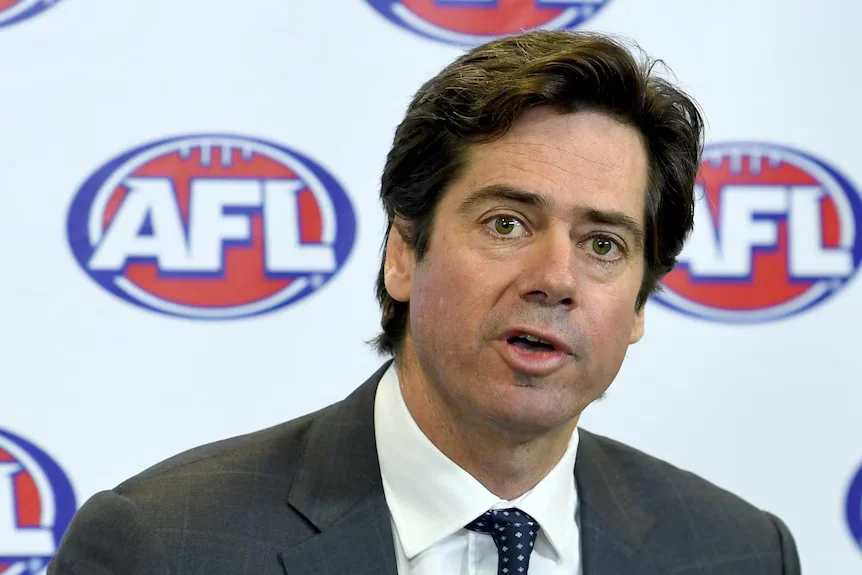
Over time, I became a central figure in debates about gambling in sport.
Critics argued that:
- gambling advertising during matches normalized betting behavior
- sports leagues, under my leadership, became financially dependent on wagering revenue
- the line between entertainment and gambling blurred for fans
Advocacy groups, public health experts, and academics increasingly highlighted the risks of gambling harm, including addiction, financial distress, and mental health consequences.
From my position, I often responded by emphasizing:
- the importance of regulated markets
- investment in integrity systems
- support for responsible gambling initiatives
But I recognize that these responses did not satisfy everyone—and perhaps could not, given the scale of the issue.
Engagement with Research and Policy Discussions
Although I am not an academic researcher, my work has intersected with a wide range of gambling-related studies and policy frameworks.
Throughout my career, I engaged with research in areas such as:
- Gambling behavior and addiction studies
(examining how exposure influences participation) - Sports integrity research
(focused on match-fixing, insider betting, and data monitoring systems) - Advertising impact analyses
(particularly the effect of betting promotions on young audiences) - Economic studies of sports commercialization
(including the role of gambling in revenue growth)
These research domains were frequently discussed in collaboration with:
- regulators
- academic institutions
- government inquiries
- industry stakeholders
While I did not author peer-reviewed studies myself, my decisions were often informed by—and later evaluated through—this body of research.
Gambling participation, regulation, and reform
National trend indicators, advertising restrictions around live sport, parliamentary reform output, and timeline context.
Participation trends
2015–2022Regulatory frame
ACMALive sport restrictions
5 min / 5 minGambling advertising restrictions apply around live sport, including the period 5 minutes before the event starts and 5 minutes after it ends.
Daytime protection window
5:00–20:30Additional restrictions apply during daytime and early evening broadcasting hours, with child-audience exposure forming part of the policy focus.
Timeline context
2014–2024Major Public Appearances and Statements
During my leadership years, I participated in numerous public forums, interviews, and parliamentary discussions where gambling was a central topic.
Some of the most significant types of appearances included:
- Press conferences (2016–2023):
addressing gambling advertising, integrity concerns, and league policy - Government inquiries and regulatory discussions:
contributing to conversations about gambling reform in Australia - Industry conferences:
discussing the commercial future of sport and the role of betting partnerships - Media interviews:
responding to public concern about gambling normalization in sport
In these appearances, I consistently tried to balance two realities:
- Gambling was a major economic driver in modern sport
- Gambling posed real social risks that could not be ignored
Transition to Tabcorp and Direct Industry Leadership (2024– )
My appointment as CEO of Tabcorp in 2024 placed me directly inside the gambling industry, rather than at its edge.
This shift fundamentally changed my responsibilities.
At Tabcorp, I became accountable for:
- Wagering operations across retail and digital platforms
- Regulatory compliance in a highly controlled industry
- Responsible gambling frameworks, including harm minimization tools
- Technological innovation in betting systems
The move also intensified public scrutiny.
Many questioned whether my previous role in sport had effectively prepared—or predisposed—me for leadership in gambling. Others viewed the transition as evidence of how closely intertwined the two industries had become.
Responsible Gambling: Between Policy and Practice
One of the most complex aspects of my work has been navigating responsible gambling.
In both the AFL and Tabcorp, I supported initiatives such as:
- self-exclusion programs
- betting limits and monitoring systems
- public awareness campaigns
- partnerships with counseling and support organizations
Yet I have also had to confront a difficult tension:
The same systems that drive engagement and revenue can also contribute to harm.
Balancing these competing realities remains one of the defining challenges of my career.
Controversies and Public Scrutiny
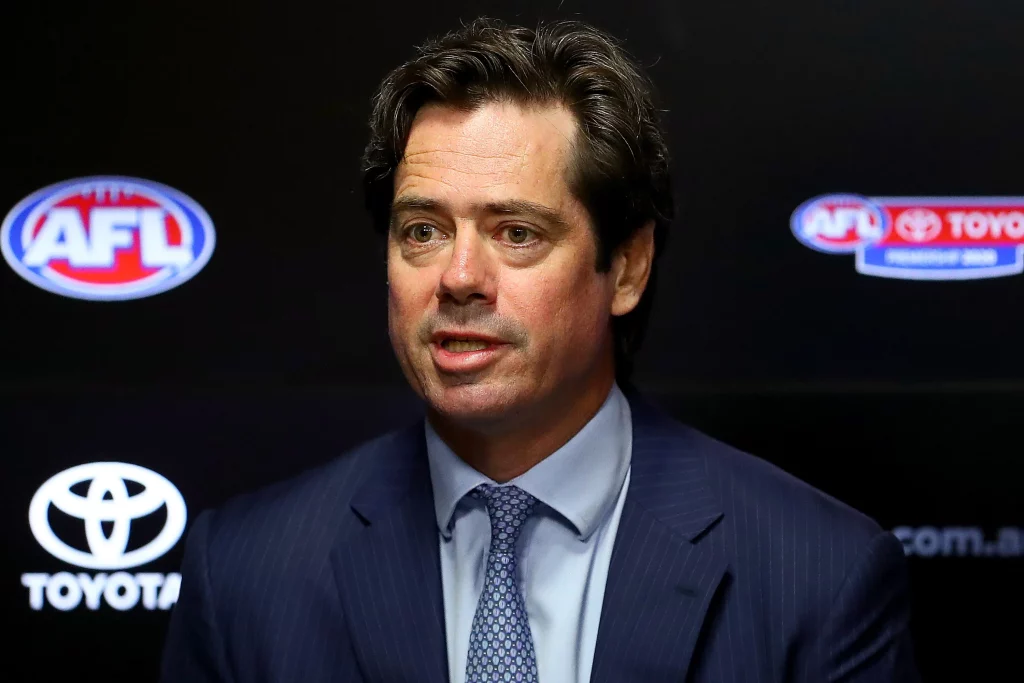
During my time leading the AFL (2014–2023), criticism intensified around the visibility and normalization of gambling.
Key areas of concern included:
- the presence of betting odds during live broadcasts
- the saturation of gambling advertising across stadiums and media
- the accessibility of betting platforms via mobile devices
These issues were not isolated—they formed part of a broader societal concern that sport was becoming a gateway to gambling behavior.
I frequently found myself at the center of these debates.
My decisions were examined not only as business strategies, but as ethical positions with real-world consequences.
Case Studies: Moments That Defined the Debate
Several developments became symbolic of the broader issue:
1. Integration of Live Odds in Broadcasts
The inclusion of real-time betting odds in sports coverage fundamentally changed how audiences interacted with games. Matches were no longer just contests—they became data-driven betting environments.
2. Expansion of Betting Sponsorships
Partnerships between leagues and wagering companies became standard practice. These agreements contributed significantly to revenue growth, but also increased public exposure to gambling brands.
3. Rise of Mobile Betting
The shift toward mobile platforms removed traditional barriers to entry. Betting became instant, continuous, and deeply integrated into the viewing experience.
Each of these developments amplified both engagement and risk.
Parliamentary Inquiry and Policy Pressure
The growing concern led to formal government action.
The Australian parliamentary inquiry into online gambling—culminating in the report “You win some, you lose more”—marked a critical turning point.
The report:
- framed gambling harm as a public health issue
- proposed sweeping reforms to advertising and regulation
- highlighted the role of sport in normalizing betting
Although I was not the sole focus, my tenure in the AFL was often referenced within this broader context.
This moment represented a shift:
from industry-led growth
to government-led scrutiny.
Transition to Tabcorp: A Different Kind of Accountability
When I became CEO of Tabcorp in 2024, I moved from influencing gambling indirectly through sport
to being directly responsible for its operation.
This transition brought a new level of accountability:
- Operational responsibility: overseeing betting platforms and services
- Regulatory compliance: working within strict legal frameworks
- Harm minimization: implementing tools to reduce problem gambling
- Public trust: addressing skepticism about the industry’s role in society
At this stage, the debate was no longer external—it was internal to the organization I led.
Financial Impact and Industry Scale
The commercial success of sport and gambling integration is undeniable.
During my leadership years:
- sports broadcasting deals reached record levels
- wagering became a major revenue stream for leagues
- betting markets expanded alongside digital platforms
However, this growth also intensified questions about sustainability and ethics.
The core tension remained:
- economic expansion vs. social responsibility
My Position Within the Gambling Ecosystem
Over time, my role has spanned multiple layers of the system:
- Sport governance — shaping how gambling is integrated into competition
- Commercial strategy — structuring partnerships and revenue models
- Industry leadership — managing gambling operations directly
This multi-layered perspective has been both an advantage and a source of criticism.
It has allowed me to understand the system in full—but also tied me to its most debated outcomes.
My career has followed the trajectory of the industries I have served.
From the AFL to Tabcorp, I have been part of a system that has grown, adapted, and faced increasing scrutiny.
How that legacy is ultimately judged will depend not only on commercial outcomes,
but on how effectively the balance between growth and responsibility is managed in the years ahead.